

Book an appointment for supportive counselling
You are always welcome to contact us, no matter how big or small your concern might be. Together, we can assess your need for support and help you manage your thoughts and feelings.
You can use our online booking system to book counselling on Campus Falun, on Zoom or by phone. In the electronic form, you can indicate whom you would like to book an appointment with or choose to see all available times:
Book supportive counselling using our online booking service
If you want to book a time on Campus Borlänge, email kurator@du.se or hogskoleprast@du.se.
Please remember not to include any sensitive information when you contact us. You can also reach us through the switchboard at 023-77 80 00. We may be able to organise a time at short notice.
Appointments on Campus Falun: Go in through the main entrence to "Ljusgården" and take a seat. The person you've booked an appointment will come down from the stair case on the right side that says "Hus A, trapp 1" and meet you.
Appointments on Campus Borlänge: Take the central stairs “Kunskapstrappan” to the 3rd floor. Go to the staff corridor on the right side (next to room B310) and the person you are going to meet will let you in.
Note: If it appears you have not received a booking confirmation by email, please check your spam folder.
Our team
We all have extensive experience from working with people. We have encountered most situations relating to mental health issues, diagnoses and life’s challenges. When we meet students, we may deal with everything from minor issues to more difficult ones. Your problem does not need to be defined; sometimes, you just need to share your thoughts. No issue is either too big or too small. You can contact any of us no matter what you are experiencing.

Maria Möhring
Student Councellor and Health Counsellor
My work is grounded in behavioural science and social care, combined with extensive experience in supportive counselling. I have supported people through approaches such as motivational interviewing, exploration of existential questions, the development of self-compassion, and strengthening the connection with the body as a resource for well-being.
We always begin with your life situation, personal story, and aspirations, and tailor our conversations to what is most meaningful to you.
Email: kurator@du.se
Phone: 023-77 80 00
More information: du.se/counselling
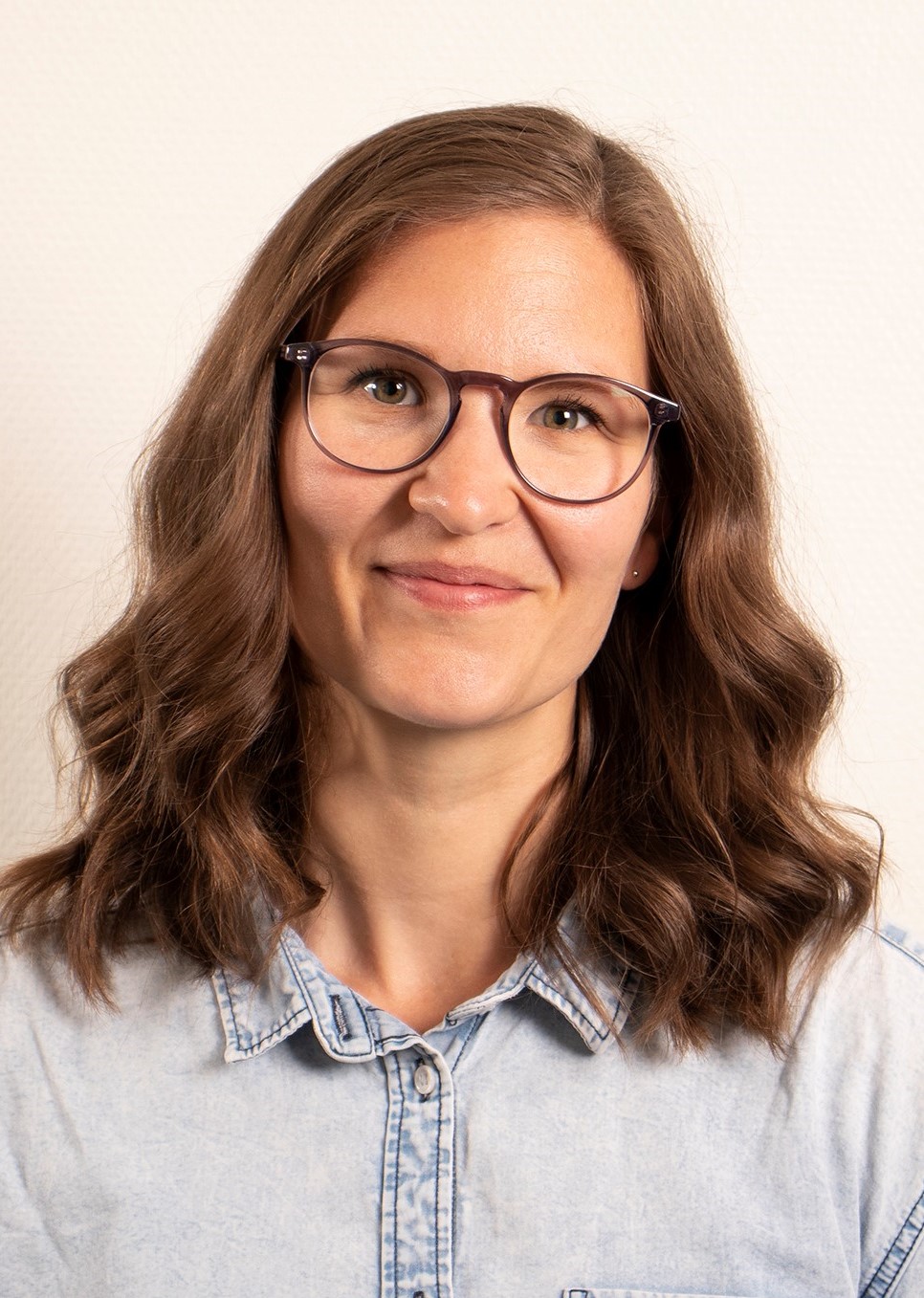
Alina Hurnasti
Student Councellor
I have a degree in social work and basic psychotherapy training. Before joining Student Health Services, I worked with various forms of therapy/treatment for young people, adults, and families. I use several approaches and place great emphasis on adapting the content, pace, and focus of the conversation to each individual.
Email: kurator@du.se
Phone: 023-77 80 00
More information: du.se/counselling
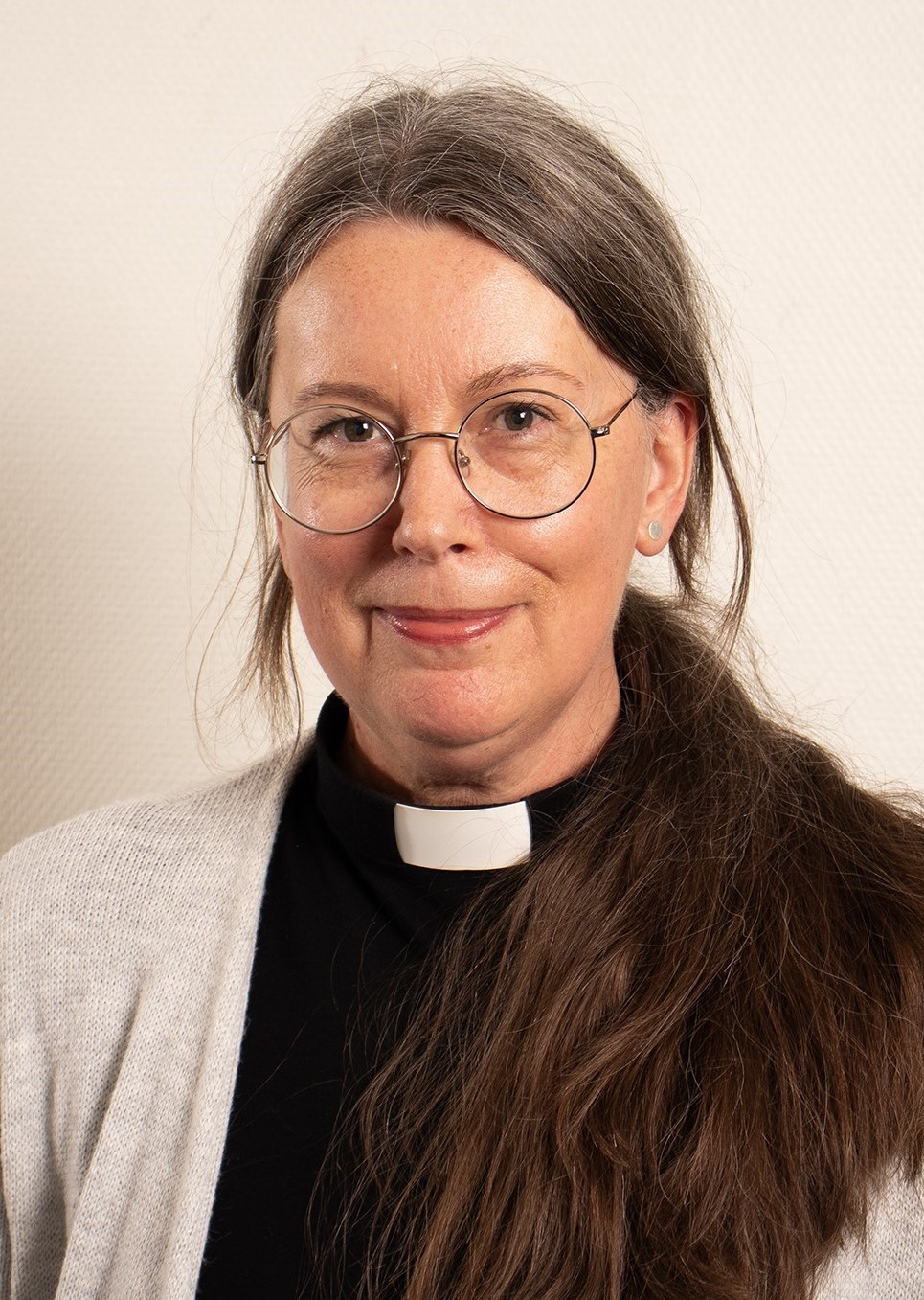
Camilla Vallhagen
University Chaplain
I am a priest with basic training in psychotherapy and extensive experience in supporting people through conversations in a wide range of life situations. In my work, I have met people facing both crises and periods of change, as well as those reflecting on the more everyday questions of life. I bring broad experience of counselling conversations and different ways of approaching what feels difficult, and I let each individual meeting guide what may be most helpful.
If you would like individual spiritual counselling that is protected by absolute confidentiality, you are very welcome to contact me directly.
Email: hogskoleprast@du.se
Phone: 023-77 80 00
More information: du.se/chaplain
Why is it so hard to ask for help?
Why are many of us afraid to seek help through counselling? Perhaps we have an incorrect notion of what it involves and perhaps it is the first time we are considering counselling.
Here are some tips from us at Student Health Services:
- Counselling is not just for people who have been diagnosed or who are struggling with mental illness. It can be helpful even if you simply feel the need to talk to someone. It can be useful to everyone.
- Be kind to yourself. Asking for help is not a sign of weakness; rather, it is a sign of strength. It means you are taking charge of your life story and prioritising yourself. It requires courage and is something to be proud of.
- Be open to your experience and how it feels. When seeking support, it is important that you feel comfortable with the person you meet.
- Consider whether you want to meet at the university or if you prefer to talk on Zoom or by phone. It is important to choose what you think suits you best, and remember, you can always change your mind.
- It may seem intimidating to try counselling with someone you have never met before. You can initiate contact with a text message, by email, or by phone. This is a way for you to begin processing your feelings while getting to know the person you will be talking to.
- Do not give up if it doesn’t feel quite right. Who we click with is personal and sometimes you may need to try to talk to someone else. It makes a big difference when you find someone who feels right for you. Do not hesitate to ask to talk to someone else within the counselling team. We also want to stress that even after your counselling is over, you are always welcome to contact us again.