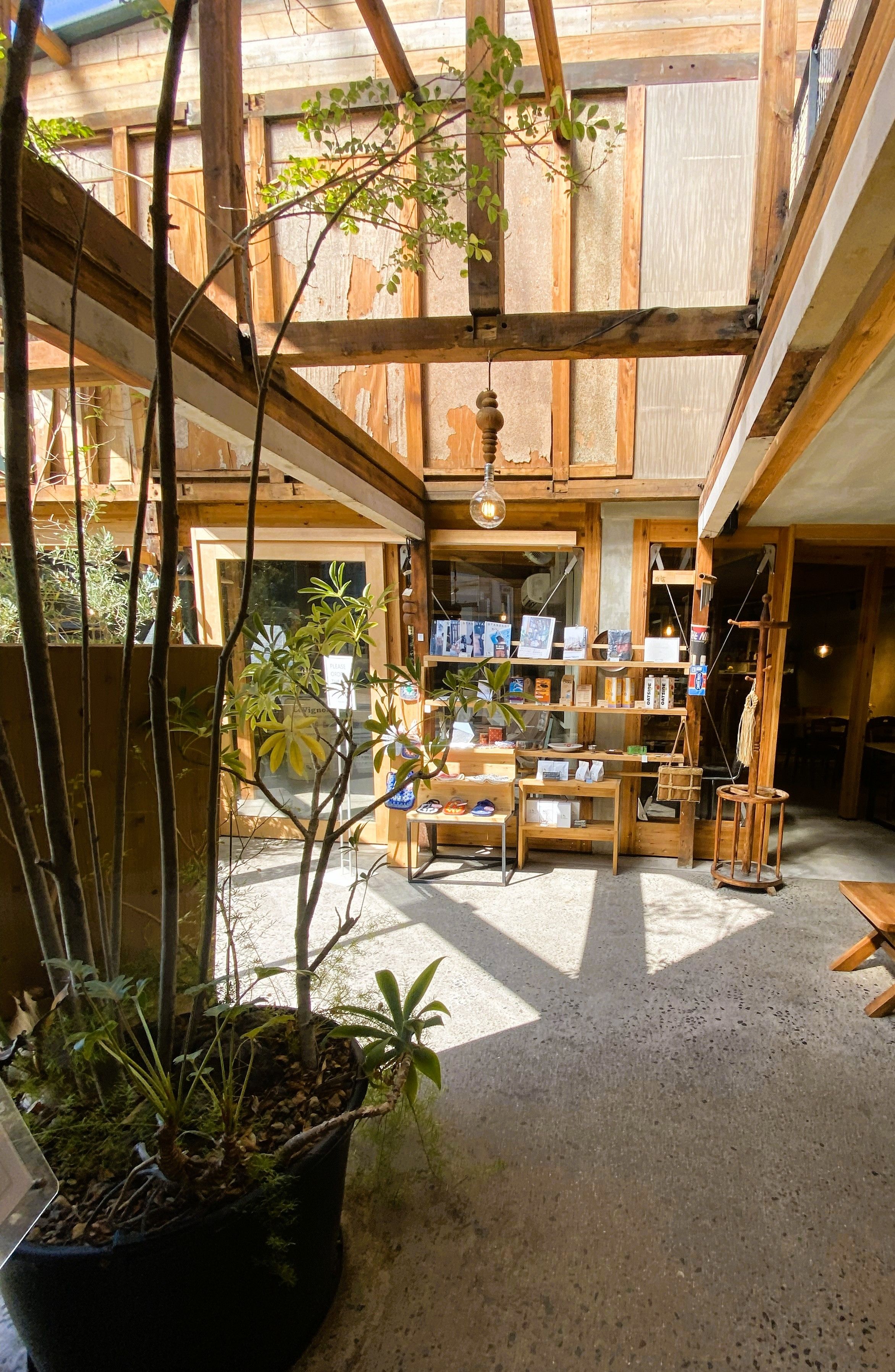
This news item was published more than six months ago and may no longer be relevant.
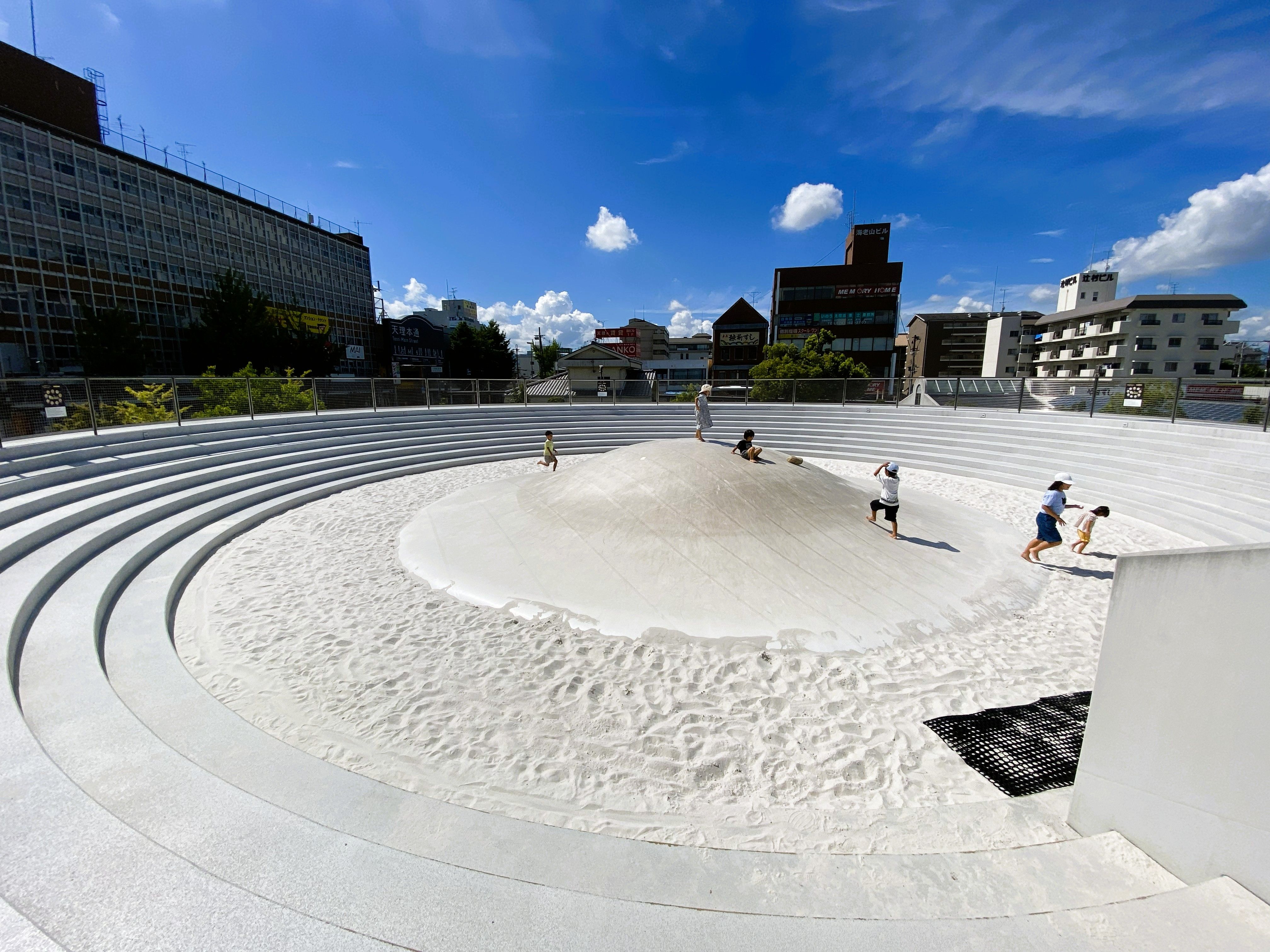
He has now compiled his study into a report which highlights a practice of small‑scale and strategic interventions in the built environment, interventions which can contribute to sustainable development by linking social, spatial, and cultural dimensions.
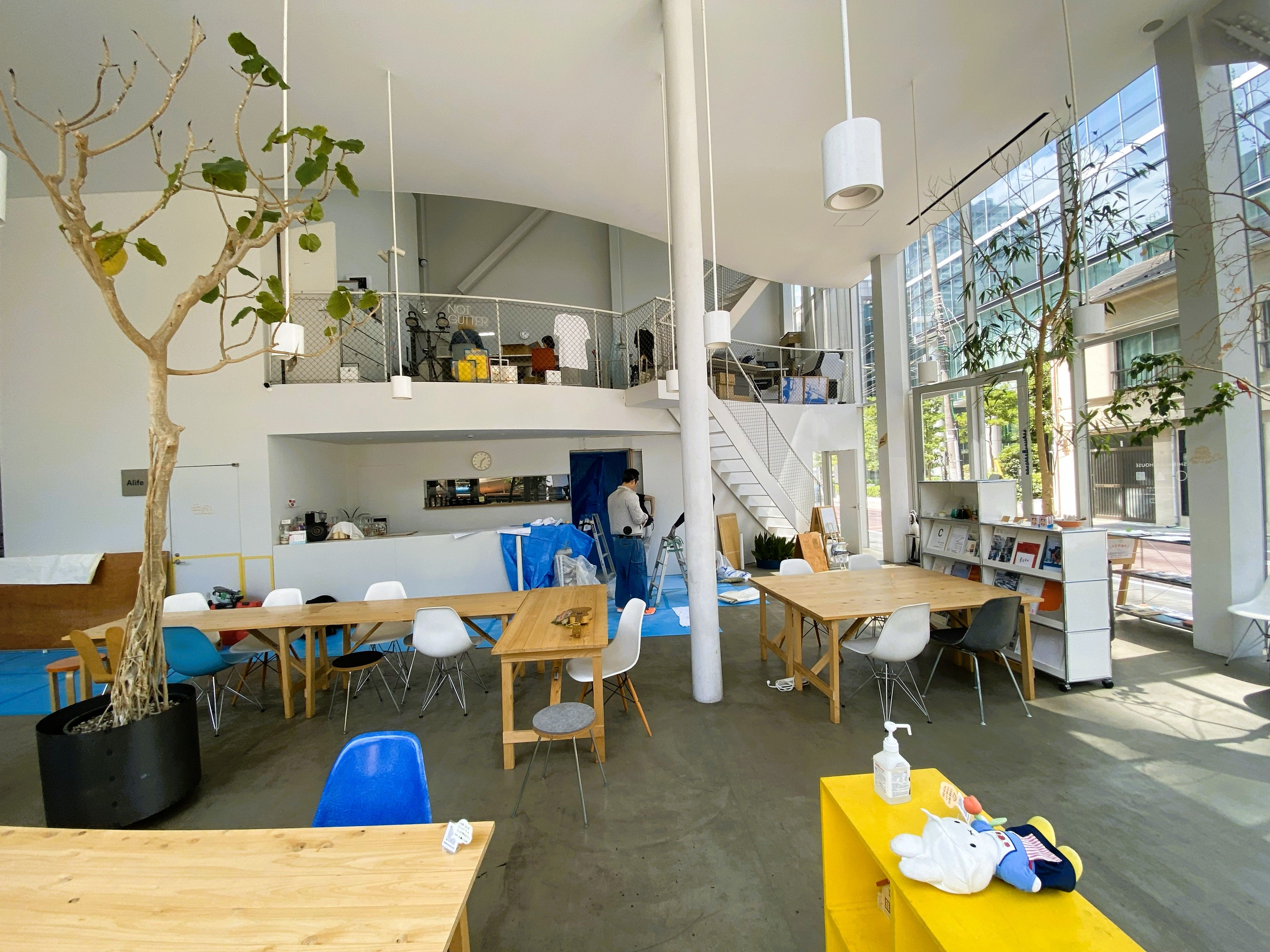
This practice relies largely on existing resources, structures, and social relations. Consequently, sustainability is not primarily addressed through technical optimisation or large-scale transformation but, rather, through a gradual renegotiation of everyday spaces, functions, and uses.
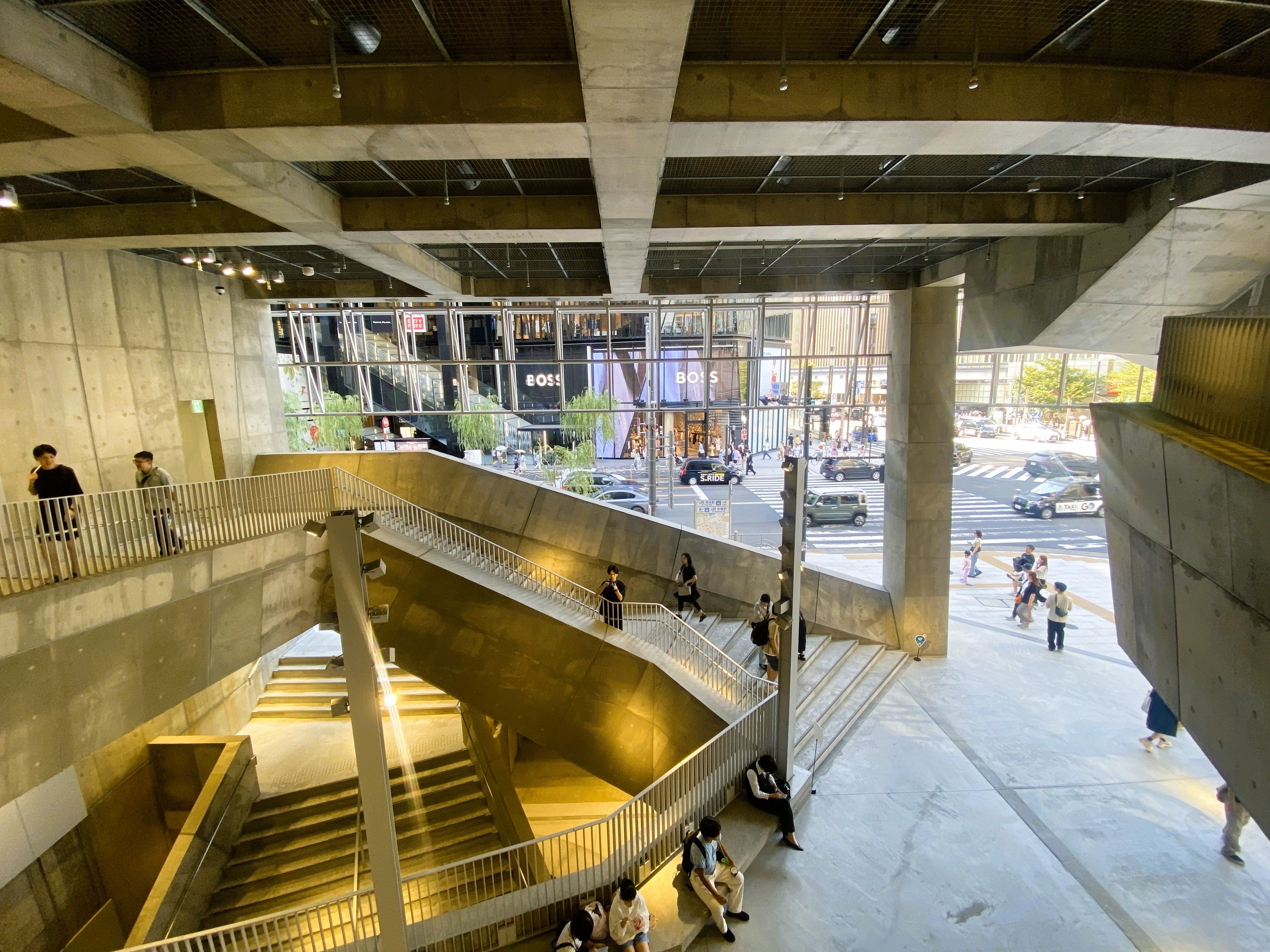
By working with hybridised programmes, blurred boundaries between private and public realms, and creative uses of underutilised land, environments are created which are flexible, inclusive, and open to change over time.
Architecture is understood here not as a finished object, but as an ongoing process in which users, local stakeholders, and architects jointly contribute to the continued development of a place. Through dialogue, co‑creation, and experimental working methods, an architecture emerges which responds to the site’s specific conditions while also allowing for diversity and unforeseen uses. This openness enables adaptation to changing needs, thereby strengthening long‑term flexibility within the local community.
Taken together, the study shows that this contemporary architecture, with its focus on local communities, does not offer quick or traditionally scalable solutions. Instead, it develops strategies for how sustainable development can be initiated and anchored at the local level.
Link to report (DiVa, in Swedish)